4WD vs AWD: What Sets Them Apart and Which One Should You Choose?
In the blog post titled ‘4WD vs AWD: What Sets Them Apart and Which One Should You Choose?’, readers will gain a clear understanding of the differences between four-wheel drive (4WD) and all-wheel drive (AWD). The article delves into how each system operates, highlighting the mechanics of 4WD and its advantages, such as superior traction and off-road capabilities. It also explores the benefits of AWD, which is designed for on-road use and provides improved handling in various weather conditions. Furthermore, the post offers guidance on making the right choice between 4WD and AWD based on driving needs and environments. This comprehensive overview helps potential buyers make an informed decision when selecting their next vehicle.
4WD vs AWD: What Sets Them Apart and Which One Should You Choose?

When it comes to choosing between 4WD and AWD, understanding the differences is crucial for making an informed decision. Both systems are designed to improve traction and vehicle control, yet their applications differ significantly, catering to distinct driving needs. With such a variety of terrains and conditions to consider, knowing how each system operates can guide your choice in 4WD vs AWD.
4WD, or four-wheel drive, is typically found in vehicles designed for off-road use. It provides power to all four wheels but often requires manual engagement. On the other hand, AWD, or all-wheel drive, is generally optimized for on-road use, automatically distributing power to the wheels with the most traction. This key distinction makes 4WD vs AWD a matter of understanding where and how you’ll be driving. For example, if you often traverse rugged terrains, a 4WD vehicle may serve you better, whereas an AWD system excels in wet or slippery conditions.
Key Factors to Consider
- Driving Environment – Consider whether you’ll be off-roading or operating mainly on paved roads.
- System Maintenance – Determine how each drive system impacts maintenance costs and complexity.
- Fuel Efficiency – Evaluate how each drivetrain affects fuel consumption based on your driving habits.
- Performance Needs – Assess the level of traction and control required for your typical driving conditions.
- Cost – Factor in the price difference between purchasing a 4WD and AWD vehicle.
- Vehicle Type – Think about the class and size of vehicle you prefer to drive.
Ultimately, whatever choice you make in the 4WD vs AWD debate should align with your lifestyle and driving requirements. This choice is personal and should reflect not just the capabilities of the systems but also how they meet your specific needs. As with any automotive decision, proper research and consideration will lead you to the right option that suits your driving style.
Understanding the operational differences between 4WD and AWD is key to finding the right vehicle for your needs.
Understanding 4WD and AWD
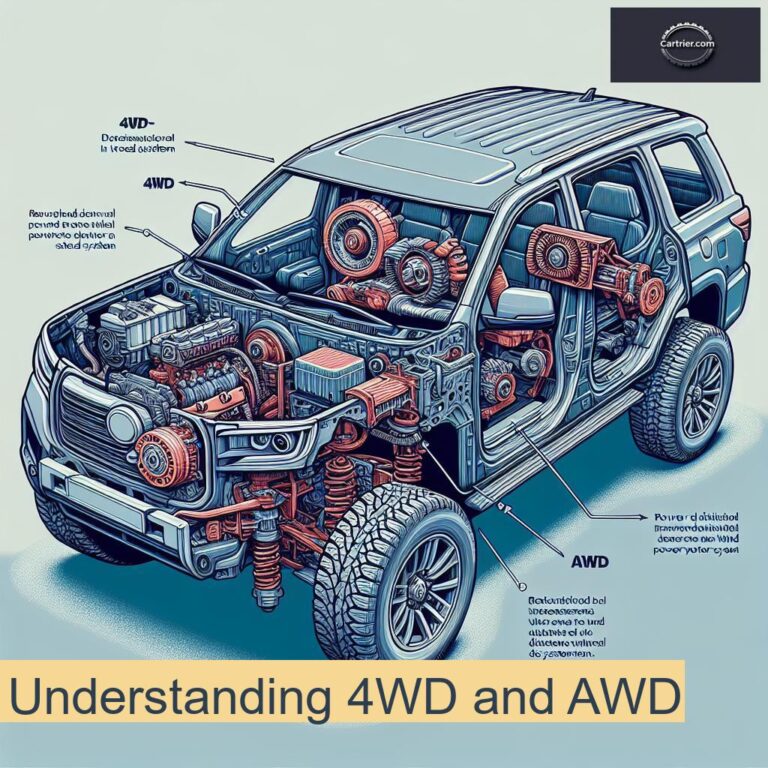
When exploring the realms of off-road and all-terrain vehicles, it’s crucial to understand the distinct differences between four-wheel drive (4WD) and all-wheel drive (AWD). The debate on 4WD vs AWD: What Sets Them Apart and Which One Should You Choose? often arises among potential vehicle buyers. Both systems serve specific purposes, and grasping their functionalities can lead to more informed decisions. Let’s break down the technical definitions and dispel some common misconceptions about these two drivetrain systems.
The main difference between 4WD and AWD lies in their design and operational capabilities. Generally, 4WD is designed for rugged environments, typically found in off-road vehicles. It usually features a transfer case that allows drivers to switch between two-wheel drive and four-wheel drive. In contrast, AWD is intended for on-road use, featuring a full-time system that automatically distributes power to all four wheels, providing improved traction without driver intervention.
Main Differences
- Application: 4WD is primarily for off-road use, while AWD is suited for on-road driving.
- Power Distribution: 4WD allows for driver-controlled power distribution, whereas AWD automatically manages traction.
- Complexity: 4WD systems are generally more complex and heavier due to the additional components.
- Fuel Economy: AWD typically offers better fuel efficiency compared to 4WD.
- Versatility: AWD is more versatile for different weather conditions, including rain and snow.
Understanding these fundamental differences clears the air about the practical uses of 4WD and AWD. This leads us to the next important aspect: common misconceptions regarding each system. Many consumers mistakenly believe that all-wheel drive and four-wheel drive can be used interchangeably, but that’s far from the truth. The operational mechanisms and intended uses set these two systems apart significantly.
Technical Definitions
Defining 4WD and AWD requires technical insight into their functionalities. 4WD systems involve a transfer case with low-range gears for severe conditions, offering enhanced torque and control. This makes 4WD vehicles particularly suited for off-road trails and challenging terrains. On the other hand, AWD systems continuously distribute power without the need for any input from the driver, making them ideal for urban settings or highways where sudden weather changes may occur.
Common Misconceptions
It’s critical to address the prevailing myths surrounding these drivetrain systems. For example, many people assume that if a vehicle has AWD, it guarantees superior off-road capability, which is misleading. AWD is optimized for improved traction on slippery roads, but it doesn’t provide the same level of power during off-road adventures as a capable 4WD system does. Additionally, some might think that both systems operate the same way, but the differences in power delivery and handling style are significant, making it essential to understand 4WD vs AWD distinctly.
How 4WD Systems Work
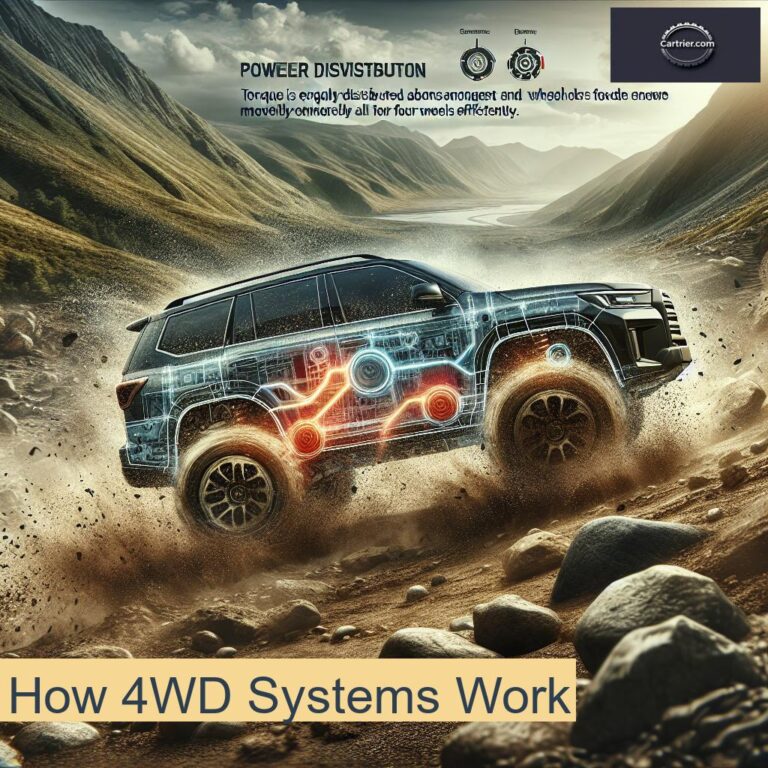
Understanding how 4WD systems operate is essential when considering the differences in the context of 4WD vs AWD: What Sets Them Apart and Which One Should You Choose? 4WD systems are designed for vehicles that require superior traction and control in challenging driving conditions. This system allows all four wheels to receive power simultaneously, which is crucial for stability and performance in off-road scenarios or on slippery surfaces.
The mechanics behind 4WD involve a transfer case that distributes power from the engine to both the front and rear axles. This power distribution enhances the vehicle’s ability to tackle rugged terrains like mud, snow, and steep inclines. In contrast to AWD systems that typically engage automatically, 4WD requires manual engagement for optimal performance.
Steps to Engage 4WD
- 1. Come to a complete stop.
- 2. Shift the transmission into neutral.
- 3. Locate the transfer case lever or switch.
- 4. Select the desired 4WD mode (e.g., 4High or 4Low).
- 5. Shift the transmission back into gear.
- 6. Engage the gas pedal slowly to gain traction.
- 7. Monitor the terrain to switch back to 2WD when appropriate.
Understanding these steps provides a clearer picture of how to effectively manage 4WD systems. The user must remember that while 4WD is beneficial, it should only be used as needed. Improper use can lead to unnecessary wear and tear on the vehicle. The knowledge of the mechanics behind 4WD engagement can make a significant difference in driving efficiency and safety.
Mechanics of 4WD Engagement
The mechanics of 4WD engagement largely depend on the vehicle’s design and intended usage. In addition to the transfer case, which is pivotal for directing power, different vehicles may feature locking differentials which further enhance grip by minimizing wheel slip in extreme conditions. Understanding these elements is crucial when evaluating 4WD vs AWD: What Sets Them Apart and Which One Should You Choose? While both systems provide power to all wheels, their applications and functionalities cater to distinct driving environments, keeping safety and performance in mind.
Advantages of 4WD Vehicles
When considering options in the realm of vehicles, 4WD vs AWD: What Sets Them Apart and Which One Should You Choose? is a discussion that frequently arises. One of the significant advantages of 4WD vehicles is their capability to handle rugged terrains, making them a perfect choice for off-road enthusiasts. 4WD systems provide power to all four wheels, enabling better traction and control on various surfaces including mud, snow, and uneven trails.
Furthermore, 4WD vehicles are equipped with several features that enhance their performance in challenging conditions. For instance, certain 4WD systems include low-range gearing, allowing drivers to navigate steep inclines or descents more effectively. This level of control is crucial, especially for those engaging in off-road adventures or living in areas with severe weather conditions.
Key Benefits of 4WD
- Enhanced traction on challenging surfaces
- Improved stability and control in adverse weather
- Greater towing capacity
- Better off-road performance
- Versatility in various driving conditions
- Additional safety features during tough trails
The unique engineering behind 4WD systems also contributes to their durability and reliability. Compared to other vehicle systems, 4WD is specifically designed to endure the demands of tough terrain. This resilience ensures that drivers have a dependable vehicle for both daily commuting and adventurous excursions. It is vital to weigh these benefits against personal needs when contrasting 4WD vs AWD.
In summary, the advantages of 4WD vehicles are clear, particularly for those seeking performance in rugged conditions. From enhanced traction to improved stability, 4WD systems stand out as a formidable choice for those who value versatility. By understanding these advantages, drivers can make informed decisions based on their specific driving needs and environments.
Choosing Between 4WD and AWD
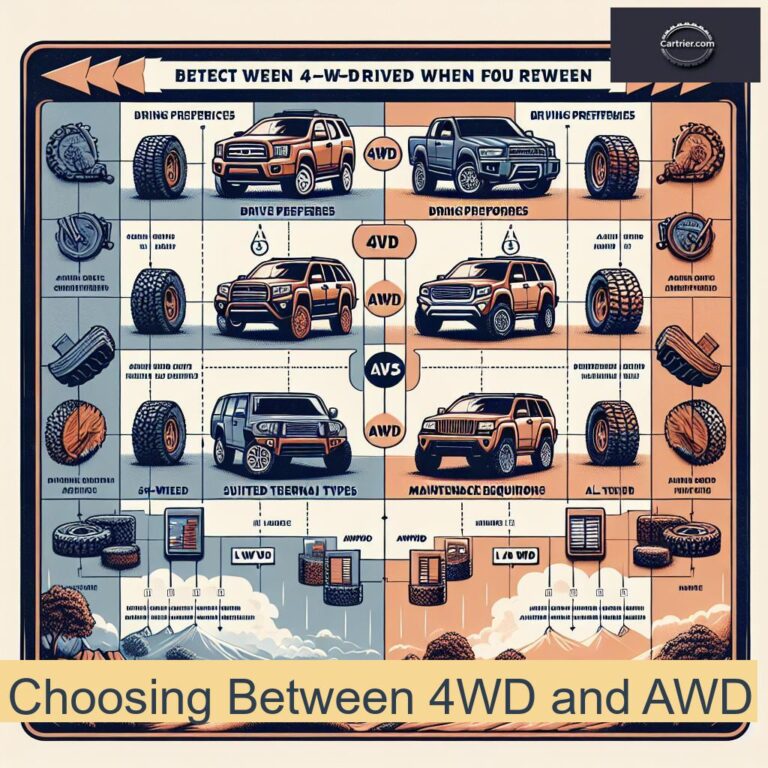
When it comes to distinguishing between 4WD vs AWD: What Sets Them Apart and Which One Should You Choose?, understanding the fundamental differences between these two drivetrain systems is crucial. Both 4WD (four-wheel drive) and AWD (all-wheel drive) enhance traction, but they do so in different manners and are optimized for various driving conditions. This knowledge empowers you to select the ideal system that aligns with your driving needs and lifestyle.
4WD systems are primarily designed for off-road use, providing robust capabilities for navigating rugged terrains. On the other hand, AWD systems are engineered for on-road performance, ensuring stable handling and excellent grip in various weather conditions. Many drivers may find themselves torn between these two options, as both offer unique advantages based on specific driving environments. To make an informed decision, consider your typical driving conditions, vehicle usage, and personal preferences.
Recommended Steps to Choose
- Assess your typical driving conditions (off-road vs. on-road).
- Determine how often you encounter extreme weather (snow, rain, mud).
- Consider the importance of fuel efficiency.
- Evaluate your need for towing or hauling capabilities.
- Research the latest vehicle models available in both categories.
Furthermore, while comparing 4WD vs AWD, it is vital to factor in your lifestyle and intended vehicle usage. For instance, families that primarily drive in urban or suburban environments may find AWD more suitable for its effortless all-weather handling. Conversely, adventure seekers who frequently explore off-road trails should lean towards 4WD for its superior traction and durability. Ultimately, the right choice hinges on aligning the vehicle’s features with your driving demands.