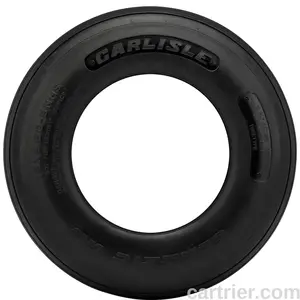
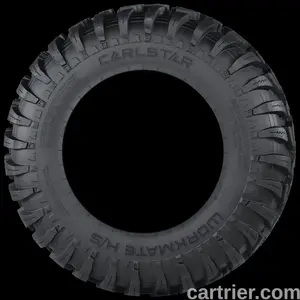
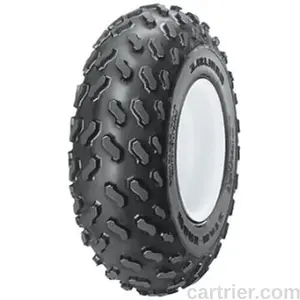
Highway Truck Tire 2025 Guide
Welcome to the ultimate resource for highway truck tires in 2025. As the backbone of freight transportation, selecting the right tires for your highway trucks can significantly impact your operational efficiency, safety, and fuel costs. In this comprehensive guide, we will explore the various types and specifications of highway truck tires, highlighting their critical role in enhancing fuel efficiency and ensuring safe long-distance travels. We will also provide valuable insights into key factors to consider when making your choice, along with tips on proper maintenance to maximize tire longevity. Furthermore, we’ll introduce you to leading tire brands and discuss emerging trends in highway truck tire technology that could shape the industry’s future. Whether you’re a fleet manager or an owner-operator, this guide is designed to equip you with the knowledge needed to make informed decisions for your trucking needs.
Understanding Highway Truck Tires: Types and Specifications
Highway truck tires are designed to meet the unique demands of long-distance trucking, balancing performance, durability, and safety under varying load conditions. To optimize the performance of your vehicle and ensure compliance with industry standards, it’s crucial to understand the different types of highway truck tires available and their specifications.
Highway Truck tires can generally be categorized into three main types:
- Steer Tires: These are engineered for the front axle of a truck. They are designed to provide precise handling and are built to withstand the forces generated during steering. The tread pattern often features deep grooves for enhanced grip and improved tire wear.
- Drive Tires: Positioned on the rear axle, these tires are crafted to provide traction and power. They usually have a more aggressive tread design, allowing for greater road grip, especially in challenging conditions such as wet or slippery surfaces.
- Trailer Tires: These tires support the load from the trailer and are designed for durability and extended wear. Their tread patterns prioritize rolling resistance and lower heat buildup, essential for maintaining performance over long hauls.
When selecting highway truck tires, consider the following specifications:
- Tire Size: The tire size impacts the load capacity and the vehicle’s overall performance. Common sizes adhere to industry standards, typically expressed in a format such as 295/75R22.5.
- Tread Depth: A deeper tread depth typically enhances traction and helps manage wear over time. However, sudden changes in tread depth can indicate issues that should not be ignored.
- Load Index: This number indicates the maximum load a tire can support. Choosing a tire with an appropriate load index is critical to prevent premature wear or structural failure.
- Speed Rating: This rating specifies the maximum speed the tire can safely handle. Make sure to choose a tire that matches or exceeds the typical speeds of your operations.
Understanding these aspects of highway truck tires not only aids in selecting the right tires for your fleet but also ensures optimal performance, safety, and fuel efficiency on long hauls. The right choice can lead to reduced operational costs and increased uptime for your trucking business.
The Role of Highway Truck Tires in Fuel Efficiency
The choice of highway truck tires plays a crucial role in determining the fuel efficiency of heavy-duty vehicles. The right tires can significantly reduce rolling resistance, which in turn can lead to lower fuel consumption and cost savings. In this section, we will explore how certain tire characteristics affect fuel efficiency and provide insights on optimizing tire selection for better performance.
One of the primary factors impacting fuel efficiency is the tire’s tread design. Tires with a streamlined tread pattern allow for smoother airflow, reducing drag as the vehicle travels. Additionally, specialized low rolling resistance tires are designed specifically to minimize energy loss while driving, which can contribute to better fuel economy.
Moreover, the tire pressure maintenance is vital for fuel efficiency. Under-inflated tires can increase rolling resistance, leading to higher fuel consumption. Regularly checking and maintaining the correct tire pressure is essential to ensure that your highway truck operates at its most efficient.
Another aspect to consider is the weight of the tire itself. Lighter tires can reduce the overall weight of the truck, leading to improved fuel economy. Advanced materials and construction methods have allowed tire manufacturers to create high-performance tires that are both durable and lightweight.
Investing in high-quality highway truck tires that focus on aerodynamic design, low rolling resistance, proper inflation, and lightweight materials can lead to significant fuel savings and improve the overall efficiency of the trucking operation.
Key Factors to Consider When Choosing Highway Truck Tires
When selecting the right highway truck tires, several key factors play a crucial role in ensuring optimal performance, safety, and efficiency. Understanding these factors will help fleet managers and truck operators make informed decisions that align with their operational needs.
- Tread Design: The tread pattern significantly impacts traction, handling, and wear. For highway truck applications, tires with a smooth or mildly textured tread are ideal for minimal rolling resistance and enhanced fuel efficiency.
- Load Capacity: Different tires are designed to carry different loads. It’s imperative to choose a tire that meets or exceeds the weight requirements of your loaded truck, ensuring safety and performance.
- Tire Size: Always select the correct tire size that matches the truck manufacturer’s specifications. Mismatching sizes can lead to handling issues and uneven wear.
- Fuel Efficiency: Look for tires specifically designed for highway truck use that boast low rolling resistance, contributing to better fuel economy and reduced operating costs.
- Durability: Highway conditions can be tough on tires, so investing in durable options with robust sidewalls and high-quality materials will extend tire life.
- Weather Performance: Depending on the regions your trucks operate in, consider tires that perform well in varying weather conditions. All-season and specialized tires might be necessary for unpredictable climates.
- Brand Reputation: Researching reputable brands with a history of manufacturing reliable highway truck tires can guide you towards quality options and better warranty services.
- Tread Wear Warranty: A comprehensive warranty can provide added peace of mind regarding tire performance and longevity, indicating the manufacturer’s confidence in their product.
By evaluating these factors carefully, you can ensure your choice of highway truck tires meets all operational demands while maximizing safety and efficiency on long-distance routes.
How Proper Maintenance Extends Highway Truck Tire Life
Proper maintenance is crucial for extending the life of highway truck tires and ensuring optimal performance over long distances. Regular checks and proactive care not only enhance safety but also improve fuel efficiency, ultimately leading to cost savings over time.
Here are some essential maintenance practices that can help maximize the lifespan of your highway truck tires:
- Regular Tire Inspections: Conduct frequent visual inspections for any signs of wear, including uneven tread wear, cracks, or foreign objects lodged in the tread.
- Tire Pressure Maintenance: Keep tires inflated to the manufacturer’s recommended pressure. Under-inflated tires can lead to excessive wear and decreased fuel efficiency, while over-inflation can result in blowouts.
- Tread Depth Monitoring: Use a tread depth gauge to monitor tire wear. It’s important to replace tires before they reach the minimum tread depth to maintain traction and performance.
- Regular Rotations: Rotate your highway truck tires according to the manufacturer’s recommendations to ensure even wear, which can extend their life.
- Alignment and Balancing: Check the alignment and balance of your tires regularly. Misalignment can cause uneven wear and negatively impact handling.
- Proper Load Management: Adhere to the load capacity limits specified for your highway truck. Overloading can lead to excessive stress and premature tire failure.
By implementing these maintenance strategies, you can significantly prolong the life of your highway truck tires, ensuring that they perform efficiently and safely throughout their lifespan. A well-maintained tire is not only a cost-effective measure but also a critical aspect of road safety for long-distance travels.
Safety Features of Highway Truck Tires for Long-Distance Travel
When it comes to highway truck performance, safety is paramount, especially during long-distance travel. Various safety features in modern highway truck tires ensure the safety of both the vehicle and its cargo. Here are some key safety features to consider:
- Tread Design: The design of the tire tread significantly impacts grip and traction on the road. Improved tread patterns help manage water dispersion, reducing the risk of hydroplaning, especially in wet conditions.
- Sidewall Strength: A robust sidewall construction helps prevent punctures and blowouts, providing reassurance during long hauls. Enhanced sidewall strength can also support heavy loads without compromising stability.
- Load Index and Speed Rating: The load index and speed rating of a tire indicate its maximum load and speed capability. Choosing the right index and rating ensures that the tire can handle the demands of long hauls safely.
- Heat Resistance: Long-distance journeys can generate significant heat buildup in tires. Features that enhance heat dissipation reduce the chances of tire failure and blowouts, ensuring safer travel.
- Smart Technology: Many modern highway truck tires are equipped with smart technology that provides real-time data on tire pressure and temperature. This alerts drivers to potential issues before they become serious problems, enhancing safety.
- Anti-Skid Technology: Some tires use innovative compounds and design features that provide extra traction on slippery surfaces, making them safer in diverse weather conditions.
Investing in highway truck tires with these safety features not only enhances the safety of your trips but also contributes to the longevity of your vehicle’s performance and reliability on long journeys.
Top Highway Truck Tire Brands to Consider in 2025
When it comes to choosing the right tires for your highway truck, brand reputation, reliability, and performance are crucial factors to consider. In 2025, the market for highway truck tires will feature several brands that stand out due to their innovative technologies, durability, and safety features. Here are some of the top highway truck tire brands to keep an eye on:
- Michelin: Renowned for their fuel efficiency and long-lasting performance, Michelin offers a range of highway truck tires designed to handle various loads and road conditions. Their emphasis on sustainable practices makes them a popular choice among eco-conscious fleets.
- Bridegestone: As a leader in tire technology, Bridgestone provides highway truck tires that boast excellent traction and wear resistance. Their latest models come equipped with advanced tread patterns that enhance grip on wet and dry surfaces.
- Goodyear: Known for their innovation in tire design, Goodyear has a strong lineup of highway truck tires that focus on maximizing mileage while ensuring safety during long hauls. Their products often incorporate smart technology for real-time monitoring of tire performance.
- Continental: Offering a selection of tires specifically designed for highway use, Continental emphasizes reliability and performance in its products. Their tires often feature robust sidewalls and enhanced tread wear capabilities.
- Dunlop: A subsidiary of Goodyear, Dunlop is noted for its high-performance truck tires. Their highway truck range combines comfort and durability, making them suitable for long-distance transport.
- Pirelli: With a focus on premium quality and performance, Pirelli’s highway truck tires are manufactured to provide exceptional handling and control, especially in harsh weather conditions.
These brands not only provide reliability and performance, but they also contribute to overall fuel efficiency and safety, keeping your fleet running smoothly in 2025. Always compare different models and consult with tire experts to determine the best fit for your highway truck needs.
Future Trends in Highway Truck Tire Technology and Performance
The landscape of Highway Truck tires is continuously evolving, driven by advancements in technology and the increasing demands for sustainability and efficiency. Here are some key trends that are expected to shape the future of highway truck tire technology and performance:
- Smart Tires: The integration of sensors and IoT technology into highway truck tires is rising. These smart tires can monitor tire pressure, temperature, and tread wear in real-time, providing data that can enhance safety and performance while reducing downtime.
- Eco-Friendly Materials: Manufacturers are increasingly focusing on sustainable materials to produce highway truck tires. Bio-based and recycled materials are gaining traction, aiming to reduce the carbon footprint of tire production and disposal.
- Advanced Tread Designs: Future highway truck tires will feature more sophisticated tread patterns designed to improve traction, durability, and fuel efficiency. Enhanced designs will also help in reducing noise levels, aligning with the growing demand for quieter road travel.
- Increased Longevity and Performance: The ongoing research into tire compounds and constructions aims to extend the lifespan of highway truck tires while maintaining or improving performance metrics such as grip and handling under various conditions.
- Resilience to Road Conditions: With the rise of smart infrastructures, future highway truck tires may incorporate adaptive technologies that adjust their performance characteristics based on changing road conditions, enhancing both safety and efficiency.
As these trends continue to develop, the future of highway truck tires looks promising, reflecting a commitment to innovation, sustainability, and enhanced performance.