Why Do Trucks Make a “Psshhh” Sound When Braking?
This blog post explores the question, Why Do Trucks Make a ‘Psshhh’ Sound When Braking? The article begins by explaining the characteristics of the distinctive hissing sound associated with truck braking systems. It delves into the mechanics of air brakes, detailing how they operate and the reasons behind the hissing noises. The safety significance of well-functioning truck brake systems is emphasized, as is the need to dispel common misconceptions surrounding truck brake sounds. Additionally, the post provides practical tips for maintaining truck air brakes to ensure optimal performance and safety on the road. Understanding these elements not only clarifies the cause of the Psshhh sound but also highlights its importance in truck safety.
Understanding the “Psshhh” Sound in Trucks
The sound commonly referred to as the Psshhh noise in trucks is an important aspect of the heavy vehicle braking sound. This why do trucks make a “Psshhh” sound when braking? inquiry is linked closely to the air brake system that many large trucks use when stopping. Understanding this phenomenon not only alleviates concerns for drivers but also sheds light on how the truck braking mechanism functions. Regularly hearing this sound can indicate that your vehicle’s braking system is operating correctly, but it’s vital to grasp the underlying mechanics.
One of the key contributors to the truck braking noise is the air brakes on trucks, which employ compressed air to activate the braking system. When a truck comes to a stop, air is released from the system, leading to the characteristic hissing or Psshhh sound. This air brake sound trucks produce is a normal part of their operation but can vary in intensity depending on various factors. Understanding the truck brake explanation helps demystify why these noises are typical during braking.
Common Reasons for the Psshhh Sound
- Release of compressed air during brake application
- Normal operation of the air brake system
- Exhaust from brake chambers
- false engagement of the reaction brakes
- Pneumatic pressure adjustments during braking
- Leakage in air lines that may cause higher frequency sounds
- Release of pressure from air reservoir tanks
Another aspect to note is that the truck air system noise can be influenced by maintenance factors. If the system hasn’t been regularly serviced, the efficiency of the air brakes may be compromised, potentially leading to excessive noise or performance issues. Knowing how the air brakes work and recognizing their crucial role in the truck braking mechanism allows truck operators to better manage and maintain their vehicles. Regular checks and balances of the system can significantly reduce noise and improve braking efficiency.
How Truck Air Brakes Work
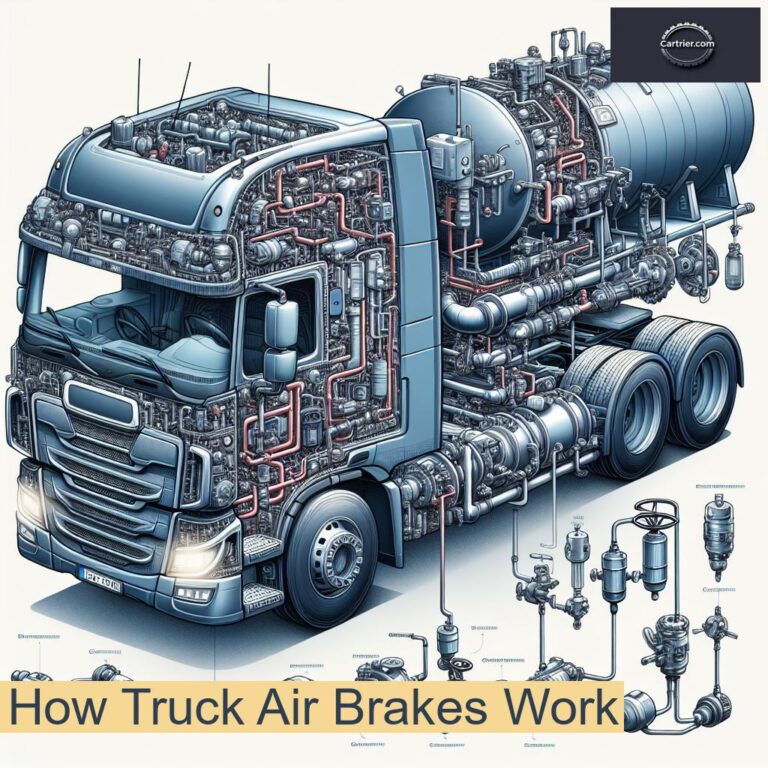
A common question among those who interact with big rigs is why do trucks make a “Psshhh” sound when braking? This sound typically comes from the truck air brakes system, a vital component of heavy vehicle braking. Understanding this sound requires a closer look at how air brakes function and their key components. The truck braking noise is not just a random occurrence; it signifies an essential mechanical process taking place within the vehicle.
Air brakes on trucks operate differently than traditional hydraulic braking systems. Instead of relying on fluid pressure, they anchor to a system of compressed air that helps create the necessary stopping power. This distinctive truck brake noise reasons often come from the release of this compressed air. Furthermore, the air brake sound trucks make can indicate normal operation or possible maintenance issues, adding another layer to their importance in daily driving scenarios.
Understanding how the truck air system noise works can enhance safety and efficiency on the road.
To better grasp the functions and operations of the air brake system, consider the following Steps in the Air Brake System:
- Air is compressed in the engine-driven compressor.
- Compressed air travels through lines to the tank.
- Pressure regulators maintain air levels within the system.
- The driver activates the brakes, releasing the stored air to the brake chambers.
- Brakes engage and create friction to slow the vehicle.
- Air is released through chambers, creating the characteristic “Psshhh” sound.
- System resets for the next braking necessity.
Understanding these steps provides insight into the complex truck braking mechanism and highlights its efficiency.
Components of Air Brakes
The air brake system comprises several key components that work together to facilitate effective stopping power. Primary among these are the air compressor, air reservoir, brake chambers, and the brake shoes. Each component plays a unique role; for instance, the air reservoir stores compressed air until it’s needed for braking, while the brake chambers activate mechanical components that create the necessary friction against the wheels. Identifying these components can simplify understanding of heavy vehicle braking sound and offer clarity on common issues.
Working Mechanism of Air Brakes
When the brakes are applied, a chain reaction occurs within the pneumatic system that leads to the familiar truck psshhh sound. The brake pedal sends a signal to release compressed air into the brake chambers, engaging the brake shoes with the wheels. This process creates friction and gradual deceleration of the truck. As the driver releases the brake, the system equalizes, expelling excess air and producing the hissing noise that is often mistaken for a brake malfunction. Recognizing these functions enables drivers to appreciate the efficiency and technology behind truck air brakes.
Reasons Trucks Make Hissing Noises
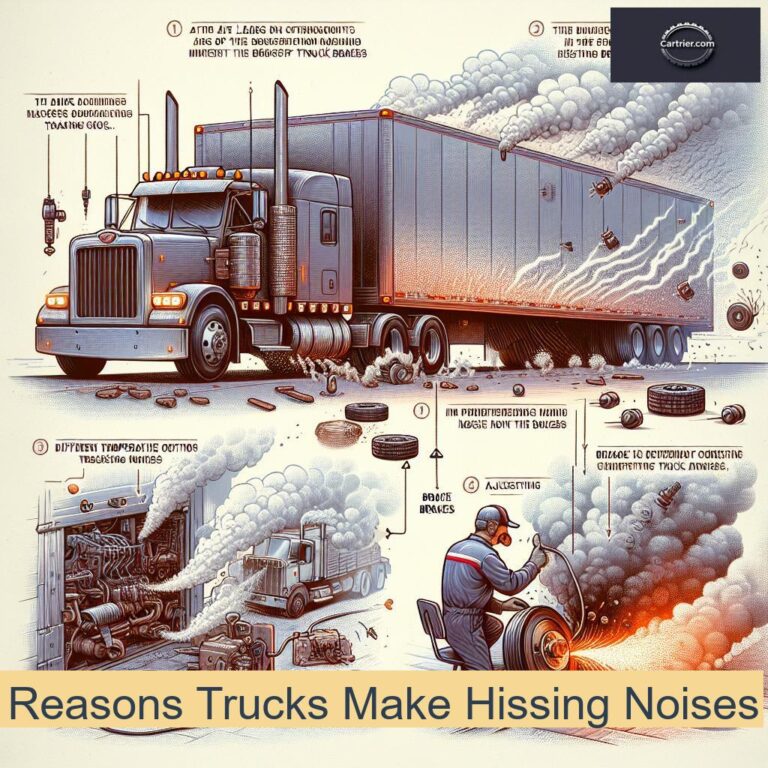
The distinct “Psshhh” sound that many people associate with trucks is often a topic of curiosity, especially regarding its occurrence during braking. This sound can be a natural part of the truck braking noise, particularly in vehicles equipped with air brakes. Understanding why trucks make psshhh sound when braking helps clarify that this sound indicates the operation of critical components within the truck air system. It is essential to grasp how these noises relate to the overall functionality and safety of heavy vehicles.
Key Factors Contributing to Hissing Noises
- Release of compressed air from the brake system
- Pressure imbalance during braking
- Faulty air brake components
- Normal operation of the truck air system
- Wear and tear on brake systems
- Environmental factors influencing sound
The hissing or truck psshhh sound can be attributed to several elements within the truck braking mechanism. As air brakes on trucks operate, they rely on compressed air to function correctly. When the brakes engage or disengage, this pressurized air can escape, leading to the characteristic hissing noise. In this context, understanding the truck brake explanation becomes vital, as it highlights the importance of air pressure management within the system.
Common Causes of Hissing Noises
There are multiple reasons for hissing sounds emanating from trucks. Notably, the implementation of air brakes on trucks is a standard practice due to their efficiency in stopping heavy loads. However, an abnormal truck brake noise reasons can indicate potential issues. Common causes include air leaks in the brake lines or fittings, issues with reservoir tanks, or even the inevitable wear on brake components. Identifying these causes early can help in maintaining the effectiveness of the truck braking system and ensuring the safety of all road users.
Safety Importance of Truck Brake Systems
Ensuring the safety of truck braking systems is vital for the operation of heavy vehicles. The truck braking noise that many drivers hear, particularly the notorious “psshhh” sound, is an indicator of the air brake system in action. Understanding why trucks make psshhh sound is crucial not only for drivers but also for all road users who share the road with these massive machines. The air brakes on trucks are designed to manage heavy loads effectively while ensuring minimal stopping distances.
The mechanism behind the truck air system noise is largely attributed to the release of compressed air when the brakes are applied. This sound can serve as a warning sign for potential issues within the braking mechanism, highlighting the importance of regular maintenance and checks. A well-functioning truck braking mechanism can drastically reduce stopping distances and improve overall safety on the roads.
Essential Aspects of Brake Safety
- Regular brake inspections
- Maintenance of air brake components
- Proper adjustment of brake systems
- Monitoring for unusual noises, like truck psshhh sound
- Immediate attention to warning signals
- Training for drivers on air brake functionality
In addition to understanding the truck brake noise reasons, knowledge about the air brake system can significantly enhance safety. The air brakes are pivotal for the safe operation of semi trucks, especially when navigating steep descents or heavy traffic. Under these conditions, drivers must rely on a well-maintained system to ensure they can stop safely and efficiently, avoiding accidents and protecting both themselves and others on the road.
“The sound of braking systems serves as both a warning and an assurance; ensuring that heavy vehicles can navigate safely through various conditions.”
Overall, the significance of truck brake systems cannot be overstated. By understanding the heavy vehicle braking sound and its implications, drivers can take proactive steps to ensure their trucks remain in peak condition. This not only promotes driver safety but also contributes to public safety by reducing the risk of brake-related accidents. Emphasizing the importance of truck brake safety leads to greater awareness and improved road safety for everyone.
Common Misconceptions About Truck Brake Sounds
The sounds produced by truck braking mechanisms can often confuse both drivers and pedestrians. A common concern revolves around the why do trucks make a “psshhh” sound when braking? Many people assume it indicates a malfunction or excessive wear when, in fact, understanding the truck braking noise is essential for both safety and maintenance.
One prevalent myth is that the hissing sound is synonymous with damaged brakes. This air brake sound trucks produce, particularly the distinctive “psshhh” sound, is completely normal when air brakes are deployed. Understanding the reasons behind this noise can alleviate many worries surrounding truck air system noise.
This noise is often a byproduct of the air release valve, activating to regulate pressure within the truck air system during braking.
Though the truck brake explanation might seem simple, several misconceptions lead to misunderstandings about the truck braking mechanism. This is why it’s vital to separate fact from fiction when discussing heavy vehicle braking sound.
Top Misconceptions Explained
- The “psshhh” sound means the brakes are failing.
- This sound only occurs in older trucks.
- Stopping distances are longer with air brakes.
- All trucks make this noise.
- It’s indicative of a leak in the air system.
Finally, it’s crucial to understand various factors contributing to the truck brake noise reasons. By learning about the truck psshhh sound and its implications, drivers can foster a safer driving environment and ensure their trucks are functioning correctly.
Debunked Myths About Your Brake Systems
By addressing these common misconceptions, drivers gain valuable insights into how air brakes on trucks operate. Many are surprised to learn that the regular operation of the brake system involves elements that can create those typical sounds. For instance, the regular expansion and contraction of components can also create audible cues that are benign. Understanding these elements enhances the confidence of truck operators in trusting their vehicle’s performance.
Tips for Maintaining Truck Air Brakes
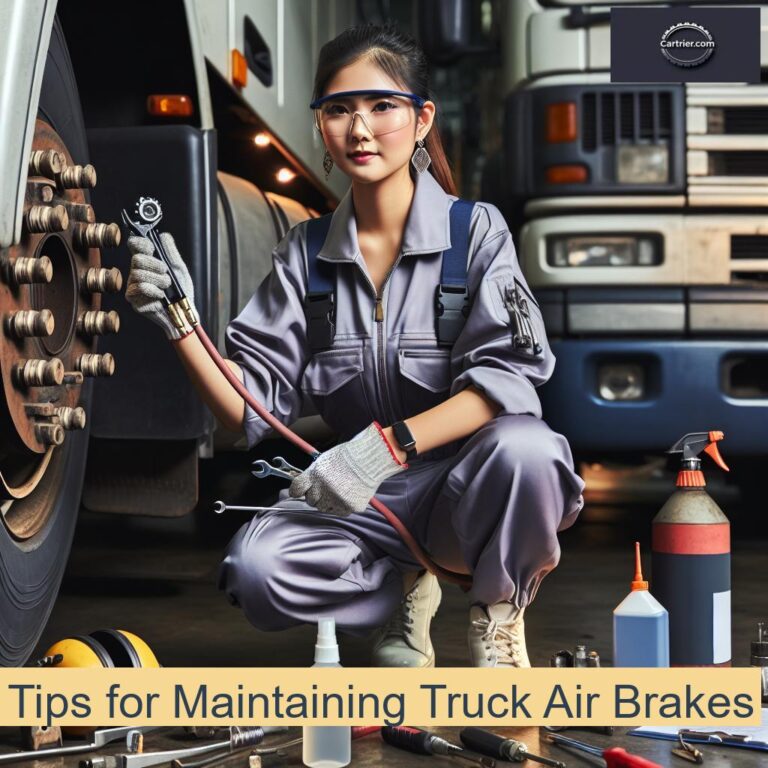
Ensuring proper maintenance of air brakes on trucks is essential for safety and performance. The truck braking noise that many drivers hear, including the distinct “psshhh” sound, can be attributed to the air brake system functioning as intended. However, neglecting the maintenance of these systems can lead to reduced effectiveness and potential hazards on the road. Understanding why trucks make the psshhh sound can help drivers recognize crucial maintenance needs and address them efficiently.
A common maintenance practice involves regularly checking the condition of the air brake components. This includes examining brake lines, hoses, and valves for wear and tear. It’s also essential to ensure the air brake system is free from leaks, as any compromised connection can lead to irregular truck brake noise reasons and affect overall braking performance. Regular inspections can prevent the development of significant issues that could arise from neglect.
Steps for Effective Maintenance
- Inspect air brake lines and hoses for any damage or leaks.
- Check the air pressure levels in the truck air system.
- Examine brake pads and shoes for wear and replace if necessary.
- Dry air tanks regularly to prevent moisture buildup.
- Test the brake system frequently to ensure proper operation.
- Consult the manufacturer’s guidelines for maintenance schedules.
- Keep detailed maintenance records for reference and future inspections.
Listening for abnormal sounds, such as the characteristic air brake sound trucks produce, is also an effective way to monitor the system. Any unfamiliar truck braking mechanism noises can signal the need for immediate attention. Ensuring that all aspects of the truck air brake system function optimally not only enhances safety but also prolongs the life of the vehicle. Addressing issues promptly can help drivers avoid costly repairs in the long run.
Attention to routine maintenance of truck air brakes ensures optimal vehicle performance and safety on the road. Taking the time to understand the truck psshhh sound can also improve overall driver awareness.