Highway vs All Terrain Truck Tires
In the battle of highway vs all terrain truck tires, choosing the right option depends on your driving habits and needs. This comprehensive blog post guides you through the unique features of each tire type. Highway tires are designed for improved performance and fuel efficiency on paved roads, offering a smooth ride and lower road noise. In contrast, all terrain tires provide enhanced durability and traction, making them ideal for off-road adventures and challenging weather conditions. We also explore the differences in price and installation for both tire types, ensuring that readers can make an informed decision based on their budget and requirements. Understanding highway vs all terrain truck tires will aid in selecting the most suitable tires for your vehicle, reflecting your driving lifestyle and preferences.
Highway vs All Terrain Truck Tire Guide
The debate surrounding highway vs all terrain truck tires is essential for truck owners looking to optimize performance based on their driving habits. Choosing between a highway truck tire and an all terrain option greatly influences ride comfort, handling, and tire longevity. Highway tires are designed primarily for speed and fuel efficiency on paved roads, while all terrain tires offer versatility to handle diverse terrains, including off-road conditions.
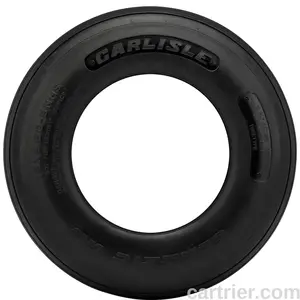
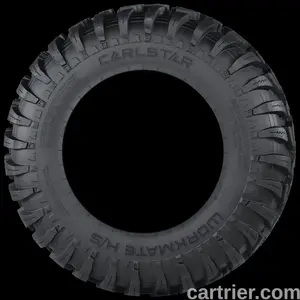
Each type of tire has its unique advantages and disadvantages. For instance, highway truck tires feature a smoother tread pattern which minimizes road noise and enhances fuel economy. On the other hand, all terrain tires provide enhanced traction on off-road surfaces, making them a better choice for those who often venture beyond the pavement. Understanding how these features align with your driving needs is key to making an informed decision.
Key Factors to Consider
- Driving Environment: Consider where most of your driving will take place.
- Tire Longevity: Different tires show variable wear rates based on road conditions.
- Load Capacity: Ensure the tires meet your truck’s weight requirements.
- Performance Needs: Assess whether you prioritize fuel efficiency or off-road capability.
- Weather Conditions: Choose tires based on local weather (e.g., rain, snow).
- Noise Levels: Pay attention to how road noise influences your driving experience.
- Cost Effectiveness: Budget for purchase and potential replacement of the tires.
When comparing highway truck tire vs all terrain options, it is crucial to evaluate how your specific driving habits will impact tire selection. For instance, if you predominantly navigate city streets and highways, a highway tire might be the optimal choice. Conversely, if your journeys involve unpaved roads or off-road activities, then investing in all terrain tires could be more beneficial.
Ultimately, understanding the specific features and intended use of highway versus all terrain tires will help ensure you make a choice that best suits your driving requirements.
Making an informed choice about all terrain vs highway tires relies heavily on understanding these fundamental differences. By focusing on key factors that influence performance, you can select the right tire that not only enhances your truck’s functionality but also provides the safety and efficiency needed for your travels.
Highway vs All Terrain Performance
When choosing the right tires for your vehicle, understanding the distinction between highway vs all terrain truck tires is vital. Each type of tire is designed with specific uses in mind, making the decision largely dependent on where and how you plan to drive. Highway tires are crafted for smooth, paved roads and offer less rolling resistance, which in turn provides better fuel efficiency and a quieter ride. Conversely, all-terrain tires are designed to handle a variety of surfaces, ensuring you can navigate both rugged trails and city streets effectively.
One critical area to consider when comparing highway truck tire vs all terrain options is handling and maneuverability. Highway tires, with their flatter tread patterns, provide precise steering and stability on paved surfaces, making them ideal for long-distance driving. In contrast, all-terrain tires feature deeper treads and enhanced sidewall strength, giving them the ability to twist and grip uneven surfaces, though they may sacrifice some precision on smoother roads.
Performance Factors to Evaluate
- Drive Environment
- Handling and Maneuverability
- Traction and Grip
- Noise Level
- Tread Life
- Weather Conditions
- Price and Value
Another essential factor to consider in the all terrain vs highway debate is traction and grip. All-terrain tires are engineered for enhanced traction in off-road conditions, making them suitable for mud, sand, and rocky terrain. Their grooved tread design allows for better water evacuation and slip resistance, providing stability where highway tires may struggle. Highway tires, although optimizing grip on dry and wet pavements, may not offer the same level of performance in challenging off-road situations.
Ultimately, the choice between highway and all-terrain tires should be based on your unique driving needs. If you primarily drive on highways and need a tire that promotes fuel efficiency and comfort, highway tires are an excellent choice. However, if you frequently venture off paved roads and require versatility, all-terrain tires are worth considering. As with any vehicle modification, ensure you evaluate your priorities to make an informed decision.
Highway vs All Terrain Durability
When considering the differences between highway vs all terrain truck tires, durability plays a pivotal role in determining which tire will best serve your needs. The tires are designed with various purposes in mind, leading to unique attributes that affect their longevity and performance across different terrains. Understanding how durability factors into the overall performance can greatly influence your choice of tire.
When comparing highway truck tire vs all terrain, the differences in construction and design are notable. Highway tires typically prioritize a smoother ride and efficiency on well-paved roads, while all terrain tires are built to handle rough and uneven surfaces. This fundamental difference affects not only the comfort during drive-time but also the overall wear and tear that each type of tire experiences under specific driving conditions.
- Rubber Compound Quality
- Tread Depth
- Sidewall Construction
- Weight Distribution
- Types of Reinforcements
- Heat Resistance
Choosing between all terrain vs highway tires requires analyzing the purpose of your vehicle and how different tire features impact durability under various conditions. For example, if you frequently navigate unpaved roads or rocky terrains, investing in all terrain tires may be worthwhile for their robustness and improved traction. Conversely, for individuals who primarily drive on highways, a highway tire would be better suited to ensure minimal wear.
Tread Wear Rate
Tread wear rate is a crucial factor when evaluating durability, directly impacting the lifespan of highway vs all terrain truck tires. Highway tires are usually designed with a smoother tread pattern that supports better fuel efficiency but can wear down more quickly when exposed to rougher surfaces. On the other side, all terrain tires boast deeper grooves and more rugged patterns that facilitate grip. However, this aggressive tread design may contribute to quicker wear if used excessively on highways.
Resistance to Punctures
Another significant aspect of durability is a tire’s resistance to punctures. All terrain tires come equipped with stronger sidewalls and enhanced puncture resistance due to their need to withstand harsher conditions. In contrast, highway tires, with their lighter construction, may be more susceptible to damage from debris or sharp objects found on the road. Understanding this component can help you choose the right tire for your driving environment.
Weather Resistance
Weather resistance is an essential factor to consider when evaluating tire durability. Highway tires typically excel in light rain or dry conditions, while all terrain tires are engineered to perform well in varying weather conditions, including snow and mud. This characteristic not only enhances traction but also significantly impacts the overall durability and usability of the tires throughout the year, especially in regions with unpredictable weather.
Highway vs All Terrain Price
When considering highway vs all terrain truck tires, one of the pivotal factors is the price. The cost of tires can vary significantly based on their design, intended use, and brand reputation. Typically, highway truck tires are engineered for smooth pavement, providing enhanced fuel efficiency and longevity. On the other hand, all terrain tires are designed for versatility, capable of handling a variety of surfaces which can lead to a higher price point due to their complex construction.
Understanding the differences in pricing between highway truck tire vs all terrain options can help consumers make informed choices based on their driving habits and budget. Highway tires generally feature a lower price due to their simpler tread patterns and less durable materials compared to their all terrain counterparts. All terrain tires, conversely, often come with advanced features like enhanced grip and rugged tread designs, resulting in higher manufacturing costs.
Budget Considerations
- Determine your driving conditions (urban vs off-road).
- Assess the expected lifespan and durability needed for your trips.
- Research tire brands and their price variations.
- Consider seasonal changes and any additional tire needs.
- Evaluate potential fuel savings with highway tires.
- Account for installation costs, which may differ between types.
- Look out for warranties and guarantees.
Ultimately, the decision between all terrain vs highway tires hinges on individual needs and preferences. A deeper understanding of the price structure can significantly influence your purchase. It’s vital to consider long-term value and not just the initial sticker price, as both tire types offer unique benefits that may justify their costs depending on your vehicle use and terrain.
Choosing the right tire will depend on more than just price; consider performance, durability, and your specific driving needs.
Highway vs All Terrain Installation
When it comes to choosing the right tire for your vehicle, the debate over highway vs all terrain truck tires often comes down to installation preferences as much as driving needs. Although both types of tires serve their specific purposes well, understanding the installation processes can significantly influence your choice based on terrain and usage. This section will provide clarity on how to properly install each type and highlight key differences that may impact your decision.
Correct installation is crucial for achieving optimal performance and safety. For example, a highway truck tire vs all terrain tire installation may vary due to the distinct tread patterns and sidewall structures. Highway tires often require precise alignment to minimize wear on smooth surfaces, whereas all-terrain tires can afford a bit more flexibility due to their rugged design. Thus, understanding these unique requirements is essential before you begin.
Installation Steps
- Gather necessary tools: jack, tire iron, and pressure gauge.
- Park the vehicle on a flat surface and engage the parking brake.
- Loosen the lug nuts slightly before lifting the vehicle with a jack.
- Remove the flat tire, ensuring you avoid damaging the rim.
- Install the new tire, making sure the tread faces the correct direction.
- Secure the lug nuts by hand, followed by tightening them with a torque wrench.
- Lower the vehicle and check tire pressure for optimal performance.
While following these steps is imperative, be aware that the all terrain vs highway tire options can lead to varied installation techniques. For instance, all-terrain tires may require additional consideration for off-road capabilities, including bead seating and air pressure adjustments specific to different terrains. Always consult the manufacturer’s guidelines to ensure proper fitment and performance.
Choosing the right tire and understanding the installation process can drastically improve handling, safety, and longevity on the road or off the beaten path.
In conclusion, whether you lean towards highway vs all terrain truck tires, your choice will have significant implications not only for performance but also for installation. Prioritize understanding your driving needs and the specific requirements of each tire type to make an informed decision. This knowledge can help ensure you get the best out of your tire investment and enhance your overall driving experience.