
Highway Truck Tire Load Range
When it comes to the world of highway trucking, understanding tire load ranges is crucial for both safety and efficiency. The right tire can make all the difference in ensuring your vehicle performs at its best while navigating demanding roads. In this article, we will delve into the fundamental concepts of highway truck tire load ranges, explore the various factors that influence load ratings, and provide guidance on selecting the perfect load range for your specific needs. We’ll also discuss how the appropriate load range impacts overall performance and safety, debunk some common misconceptions surrounding tire load ratings, and offer essential maintenance tips to maximize your highway truck tire performance. Whether you’re a seasoned trucker or new to the industry, this guide will equip you with the knowledge needed to make informed decisions about your highway truck tires.
Understanding Highway Truck Tire Load Range Basics
The load range of a tire is a critical aspect in ensuring the safety and efficiency of your Highway Truck. It defines how much weight a tire can support when properly inflated. Understanding this concept is essential for fleet managers and truck owners alike, as it directly influences performance, safety, and overall longevity of the tires used on Highway Trucks.
Tires are classified into load ranges based on their construction and the weight they can carry. These ranges typically span from B to F, with each letter representing an increasing capacity. For instance, a Load Range C tire is rated to support more weight than a Load Range B tire. The higher the load range, the stiffer the sidewall of the tire, which enhances load-carrying capabilities.
When selecting tires for your Highway Truck, it’s crucial to match the tire’s load rating with the truck’s specifications and intended use. Overloading tires can lead to excessive wear, reduced fuel efficiency, and an increased risk of blowouts, whereas underloading might limit the truck’s performance on the road.
Always check the manufacturer’s guidelines and adhere to recommended tire pressures to maintain optimal performance. Monitoring your tires regularly not only ensures compliance with load recommendations but also enhances safety for all road users.
Understanding the basics of Highway Truck tire load ranges is vital for safe and efficient trucking operations. Keeping these principles in mind will help you make informed decisions regarding tire selection, which in turn contributes to the longevity of your vehicle and the safety of your journeys.
Factors Influencing Highway Truck Tire Load Ratings
When it comes to Highway Truck tire load ratings, several factors play a crucial role in determining the appropriate load capacity. Understanding these factors can help ensure safe and efficient performance on the road.
| Factor | Description |
|---|---|
| Tire Construction | The design and materials used in the tire affect its strength and load-bearing capacity. Radial tires typically offer better flexibility and load capacity compared to bias-ply tires. |
| Inflation Pressure | Proper inflation is vital for achieving the desired load rating. Under-inflated tires can lead to overheating, reduced traction, and premature wear, while over-inflation can cause a harsher ride and decreased grip. |
| Tread Design | The tread pattern directly impacts the tire’s performance characteristics and load management during different driving conditions. |
| Vehicle Weight | The overall weight of the truck, including cargo, influences how much load a tire can safely handle. It is important to match the tire load rating with the total weight of the vehicle to prevent tire failure. |
| Driving Conditions | Different terrains and weather conditions can greatly impact tire performance. Tires may need to accommodate varying load ratings when driving on rough or uneven surfaces. |
| Manufacturer Recommendations | Each tire manufacturer provides guidelines regarding load ratings. These specifications should be adhered to for safe operation and to maintain warranty coverage. |
By taking these factors into account, truck owners and operators can ensure that their Highway Truck tires are equipped to handle their specific load requirements efficiently and safely.
Choosing the Right Load Range for Your Highway Truck
When it comes to maximizing the performance and safety of your Highway Truck, selecting the appropriate load range is crucial. The load range indicates the tire’s capacity to support weight and directly impacts how well your truck handles various loads on the highway.
Here are some factors to consider when choosing the right load range for your Highway Truck:
- Know Your Weight Requirements: Before selecting a tire, determine the average load your truck will carry. Consider peak loads as well to ensure you choose a tire that can handle the maximum weight without compromising safety.
- Tire Specifications: Review the load index of potential tires. Each tire has a load index that indicates its maximum load capacity at a specified inflation pressure, helping you compare options effectively.
- Operating Conditions: Analyze the types of roads your Highway Truck will traverse. Different terrains and weather conditions may require different tire specifications to maintain performance and safety.
- Regional Regulations: Some regions have specific regulations regarding weight limits for trucks. Ensure your selected load range complies with local legal requirements.
- Long-term Costs: While higher load range tires may have a higher upfront cost, they often provide better durability and longevity, reducing the need for replacements and repairs over time.
By taking these considerations into account, you can select the right load range that ensures your Highway Truck operates efficiently and safely, ultimately enhancing performance on the road.
Impact of Load Range on Highway Truck Performance
The highway truck tire load range significantly affects various aspects of truck performance, including handling, fuel efficiency, and overall safety. Understanding this impact is crucial for operators seeking to optimize their vehicles for specific hauling tasks.
Firstly, the load range dictates the maximum weight a tire can support safely. Tires with a higher load range can handle heavier loads without risking damage or failure. This directly influences the highway truck‘s ability to carry more cargo, thereby enhancing productivity and reducing the need for multiple trips. However, it is essential to ensure that the truck is not overloaded beyond the manufacturer’s specifications, as exceeding these limits can compromise performance and safety.
Moreover, the load range affects traction and grip. Tires rated for heavier loads typically have a stiffer sidewall, which can enhance stability during heavy braking or evasive maneuvers. This stiffness may improve handling characteristics, especially in adverse weather conditions. However, it can also lead to a harsher ride quality on uneven surfaces, affecting driver comfort and vehicle dynamics.
Fuel efficiency is another performance metric influenced by the tire load range. Tires that are too small for the load being carried may generate excessive heat and resistance, decreasing fuel economy. Conversely, selecting the appropriate load range for your highway truck can help maintain optimal contact with the road surface, reducing rolling resistance and consequently improving fuel efficiency.
The right load range is vital for ensuring the longevity of the tires themselves. Properly matched tires are less likely to experience premature wear or damage, which can lead to costly replacements and maintenance issues. Thus, choosing tires based on the correct load range helps maintain performance while maximizing the lifespan of the tires, a critical consideration for any highway truck operator.
Maximizing Safety with Proper Tire Load for Highway Trucks
Ensuring the safety of your highway truck begins with understanding and maintaining the correct tire load. Proper tire load management can significantly reduce the risk of tire blowouts, improve handling, and enhance overall vehicle stability.
When a highway truck is loaded beyond its tire’s recommended load capacity, it not only compromises the integrity of the tire but also affects the vehicle’s braking and steering performance. Overloaded tires can heat up quickly, leading to premature wear and increased chances of failure. Conversely, underloading can result in uneven tire wear and compromised handling.
To maximize safety, it is essential to regularly check the highway truck tire pressure and load capacity. Always refer to the manufacturer’s guidelines to ensure that your tires are suitable for the load you are carrying. Additionally, rotate your tires periodically and inspect them for any signs of damage or wear. These proactive measures can extend the life of your tires and maintain the safety of your load.
Education is also key; ensure that all drivers operating highway trucks understand the importance of adhering to recommended load ranges and the impact it has on road safety. By fostering a culture of safety and awareness around tire load management, you can significantly reduce the risk of accidents and ensure the smooth operation of your highway truck.
Common Misconceptions About Highway Truck Tire Load Ranges
When it comes to highway truck tire load ranges, there are several misconceptions that can lead to poor decision-making and potentially dangerous situations on the road. Here are some of the most common myths and the truths behind them:
Truth: Load capacities can vary significantly even among tires of the same size due to differences in construction, materials, and design.
Truth: While a higher load range indicates a tire can support more weight, it does not necessarily translate to better handling or traction characteristics.
Truth: Exceeding the specified load range can lead to tire damage, blowouts, and compromised safety, regardless of the distance traveled.
Truth: Consideration should be given to potential overload scenarios, as well as variations in cargo weight and distribution.
Truth: Different tire brands and models may perform differently under maximum load, affecting overall safety and efficiency.
By debunking these misconceptions, truck owners can make more informed decisions regarding their highway truck tires, ultimately enhancing safety and performance on the road.
Maintenance Tips for Optimal Highway Truck Tire Performance
Maintaining the performance of your highway truck tires is crucial for ensuring safety, fuel efficiency, and overall vehicle longevity. Here are key tips to keep in mind for optimal tire maintenance:
- Regular Inspections: Frequently inspect your tires for signs of wear and damage. Check for cuts, punctures, or any unusual bulging that may indicate a potential issue.
- Proper Inflation: Ensure that your tires are inflated to the manufacturer-recommended pressure. Under-inflation can lead to increased wear and tear, while over-inflation may result in a harsh ride and compromised safety.
- Rotation and Alignment: Rotating your tires regularly and maintaining proper wheel alignment are essential for even wear. This practice can prolong the lifespan of your tires significantly.
- Balancing: Ensure that your tires are balanced appropriately to prevent vibration and uneven wear. An unbalanced tire can adversely affect the handling of your highway truck.
- Cleansing: Regularly clean your tires to remove any debris, mud, or chemicals that can lead to degradation. Pay special attention to the sidewalls and treads.
- Check Tread Depth: Monitor the tread depth and replace tires that have worn down below the recommended limits. Adequate tread depth is vital for maintaining traction, especially in adverse weather conditions.
- Store Properly: If you need to store tires, place them in a cool, dry location away from direct sunlight to prevent damage caused by UV rays and extreme temperatures.
- Follow Manufacturer Guidelines: Always adhere to the manufacturer’s recommendations regarding tire maintenance schedules and specific care instructions for your particular type of highway truck.
By following these maintenance tips, you can enhance the performance and longevity of your highway truck tires, ensuring safer journeys and more efficient operations.

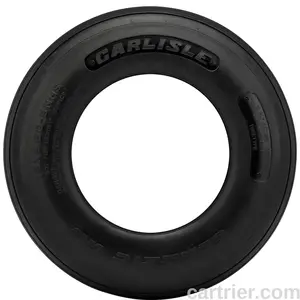
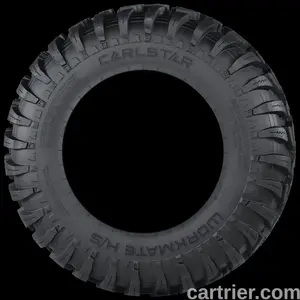
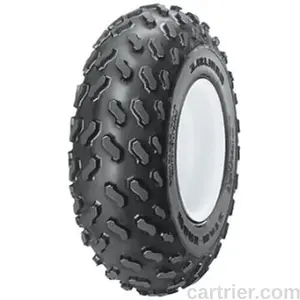


Thanks for this informative post! I never realized how much the construction and tread design of a tire could impact its load range and overall performance. Do you think there are specific tire brands that excel in certain conditions, or is it more about matching the tire to the truck’s needs? I’d love to hear more about real-world experiences with different tire types!