Spoiler vs Wing: Key Differences and Functions Explained
The blog post Spoiler vs Wing: Key Differences and Functions Explained delves into the distinct roles that spoilers and wings play in automotive design and performance. It begins by defining the differences between the two components, emphasizing how spoilers enhance car performance by reducing drag, while wings significantly improve vehicle aerodynamics through increased downforce. The article highlights the functional and design aspects of both additions, aiding readers in making informed decisions when choosing between a spoiler and a wing. Additionally, practical tips for the installation of these features are provided, ensuring proper implementation for optimal results. This comprehensive guide serves as an essential resource for car enthusiasts looking to enhance their vehicles’ performance through the right aerodynamic components.
Understanding the Difference Between Spoilers and Wings
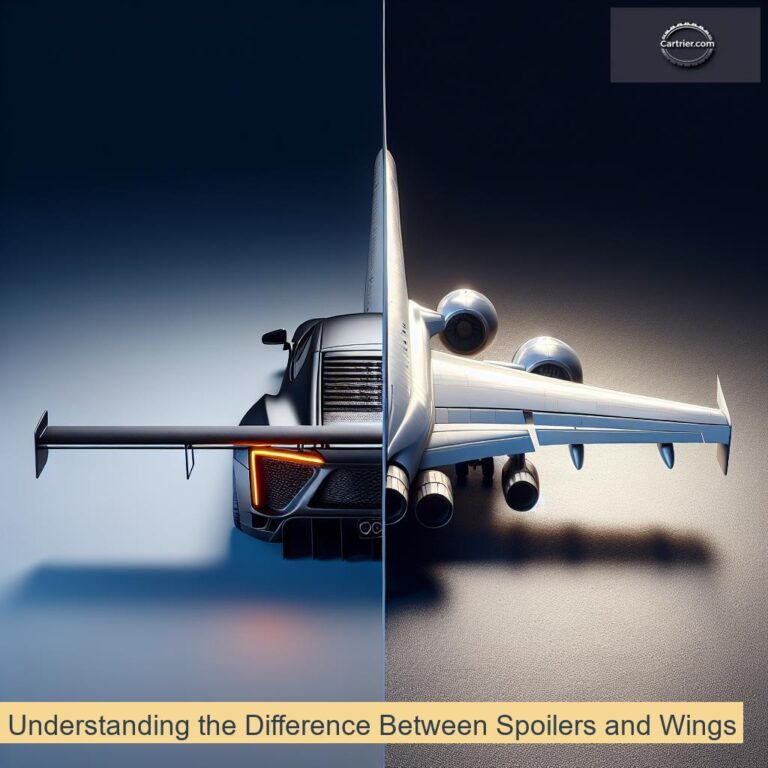
When it comes to enhancing vehicle performance and aesthetics, car enthusiasts often debate the merits of spoilers and wings. While both components are designed to improve vehicle aerodynamics, they serve different purposes and have distinct characteristics. Understanding the spoiler vs wing concept is essential for anyone looking to optimize their vehicle’s performance or simply enhance its appearance. This section delves into the difference between spoiler and wing, their functionalities, and the impact they have on car performance.
Spoilers are usually mounted on the rear or front of a vehicle and serve to disrupt the airflow over the car’s body. By doing so, they reduce drag and help enhance traction at high speeds. In contrast, wings, often resembling aircraft wings, are typically larger and more angled, creating downforce that helps improve stability. The effectiveness of these aerodynamic car parts varies between designs, making it imperative to evaluate their purpose. Here’s a quick look at the differences:
Key Differences
- Spoilers primarily reduce drag, while wings create downforce.
- Spoilers are generally smaller and more discrete than wings.
- Wings often feature an adjustable angle for enhanced performance.
- Spoilers improve traction by reducing lift, while wings maintain stability at speed.
- Car performance spoilers are common in street vehicles, whereas wings are often used in racing.
In various scenarios, both components exhibit unique advantages. For car enthusiasts weighing the spoiler vs wing benefits, understanding how each contributes to vehicle aerodynamics can influence their decision. Car wings explained help clarify that while they are effective for racing and high-performance driving, spoilers might be more suitable for everyday vehicles seeking aesthetic upgrades without a significant performance overhaul. Ultimately, the choice between a spoiler and a wing depends largely on your vehicle’s design and intended use.
How Spoilers Improve Car Performance
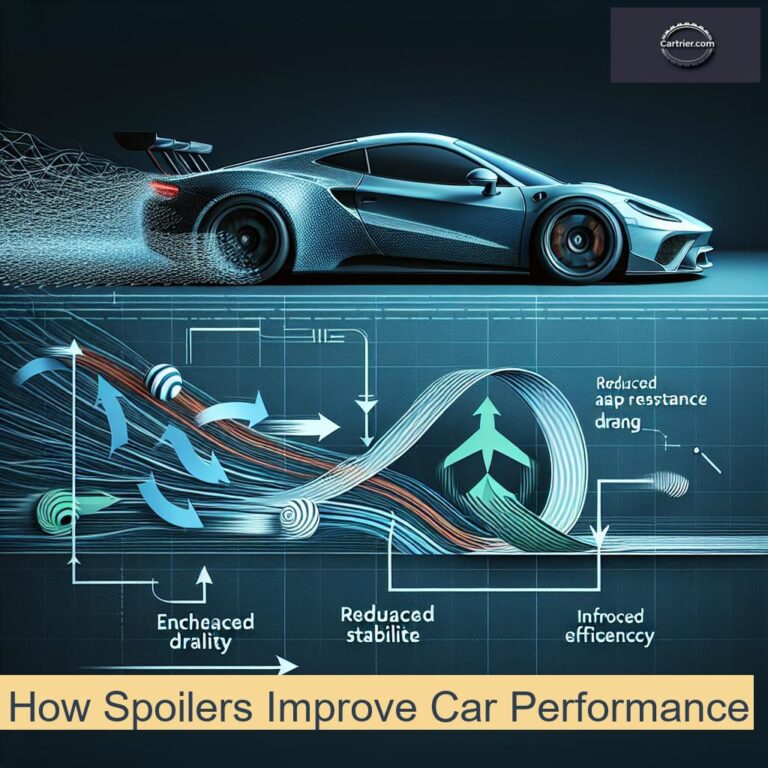
When considering the spoiler vs wing debate, it is essential to recognize that both components play crucial roles in enhancing vehicle performance, particularly in terms of aerodynamics. While they may seem similar, the difference between spoiler and wing significantly impacts how each part contributes to car dynamics. Spoilers are primarily designed to disrupt airflow, thereby reducing lift and enhancing traction on the road. In contrast, wings are engineered for generating downforce, which increases stability at high speeds. Understanding these distinctions can help car enthusiasts make informed decisions regarding modifications and upgrades.
One of the primary advantages of utilizing car performance spoilers lies in their ability to improve traction by managing airflow over the car body. A well-designed spoiler can minimize drag and lift, allowing the vehicle to maintain better contact with the road, especially during acceleration and high-speed cornering. This increased stability translates directly into improved handling and responsiveness, resulting in a more enjoyable driving experience. Moreover, the right configuration of a spoiler can potentially lead to enhanced fuel efficiency, demonstrating its multifaceted benefits beyond mere aesthetics.
When it comes to choosing between a spoiler and a wing, understanding the spoiler vs wing comparison is crucial for anyone serious about optimizing their vehicle.
To harness the full potential of spoilers in enhancing car performance, consider the following Steps to Enhance Car Performance with Spoilers:
- Assess the specific needs of your vehicle and driving style.
- Choose a spoiler design that complements the car body aerodynamically.
- Ensure proper installation for maximum effectiveness.
- Conduct performance tests to evaluate impact on stability and handling.
- Monitor fuel consumption to determine efficiency improvements.
- Consider professional tuning to optimize aerodynamics further.
- Regularly maintain the spoiler to ensure ongoing performance benefits.
In summary, the strategic use of spoilers can lead to significant improvements in car performance by enhancing traction and stability. As car enthusiasts delve deeper into the car spoiler vs wing discussion, they will find that the benefits of spoilers extend beyond aesthetics to create a tangible impact on driving dynamics. Understanding the mechanics behind these aerodynamic car parts is essential to making informed choices in performance modifications.
Types of Car Spoilers
There are various types of car spoilers available in the market, each designed to serve different purposes and styles. A common classification includes lip spoilers, which are subtle and often provide a sleek appearance, and rear spoilers, which can vary in height and design to maximize airflow disruption. Additionally, there are adjustable spoilers that allow drivers to modify the angle for optimal performance based on specific driving conditions. Each type of spoiler contributes uniquely to vehicle aerodynamics, ultimately influencing the overall driving experience in the spoiler vs wing benefits conversation.
How Wings Affect Vehicle Aerodynamics
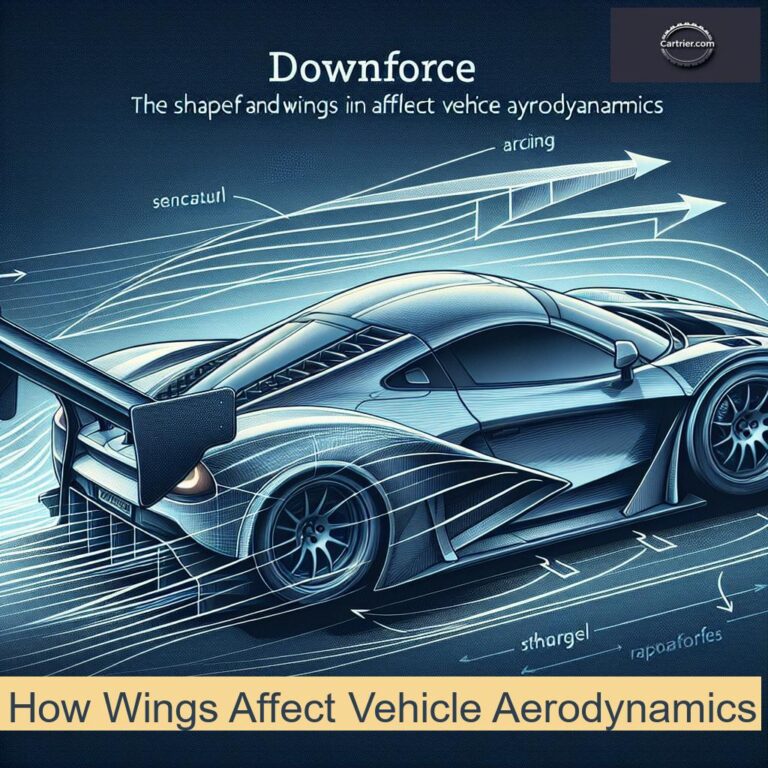
Understanding how wings influence vehicle aerodynamics is crucial for enhancing car performance. The spoiler vs wing debate centers around their unique functionalities and benefits. While both components contribute to a vehicle’s stability and traction, they achieve this through different aerodynamic principles. A strong grasp of the difference between spoiler and wing will inform your decision on which component best suits your car’s design and performance needs.
Wings are designed to create downforce, which helps keep the vehicle grounded at high speeds. This function is essential for maintaining grip on the road, particularly in motorsports. In contrast, spoilers mainly reduce drag without significantly generating downforce, often enhancing fuel efficiency rather than focusing solely on performance. Understanding the wing vs spoiler function is key for enthusiasts and racers who aim to maximize their vehicle’s capabilities.
Effects of Wings on Vehicle Performance:
- Increased downforce for improved traction.
- Enhanced stability during high-speed maneuvers.
- Reduced lift, preventing the front from rising.
- Better cornering performance in race conditions.
- Improved overall vehicle grip on various terrains.
Overall, car wings explained reveal their significant role in optimizing vehicle aerodynamics. The benefits of a well-designed wing can transform a standard vehicle into a high-performance machine. When conducting a spoiler vs wing comparison, it’s essential to weigh the specific advantages each adds to your car body. In conclusion, the right choice between a spoiler and a wing will depend on your performance goals and driving style, ultimately impacting your vehicle’s aerodynamics and handling.
Comparative Analysis of Wing Designs
A detailed examination of wing designs highlights the various styles and their impact on vehicle aerodynamics. From fixed to adjustable wings, each design serves distinct functions. Fixed wings offer consistent performance under regular driving conditions, while adjustable models provide flexibility based on speed and driving style. Understanding these nuances will help car enthusiasts select the best aerodynamic car parts that suit their specific performance needs.
Spoilers vs Wings: Function and Design
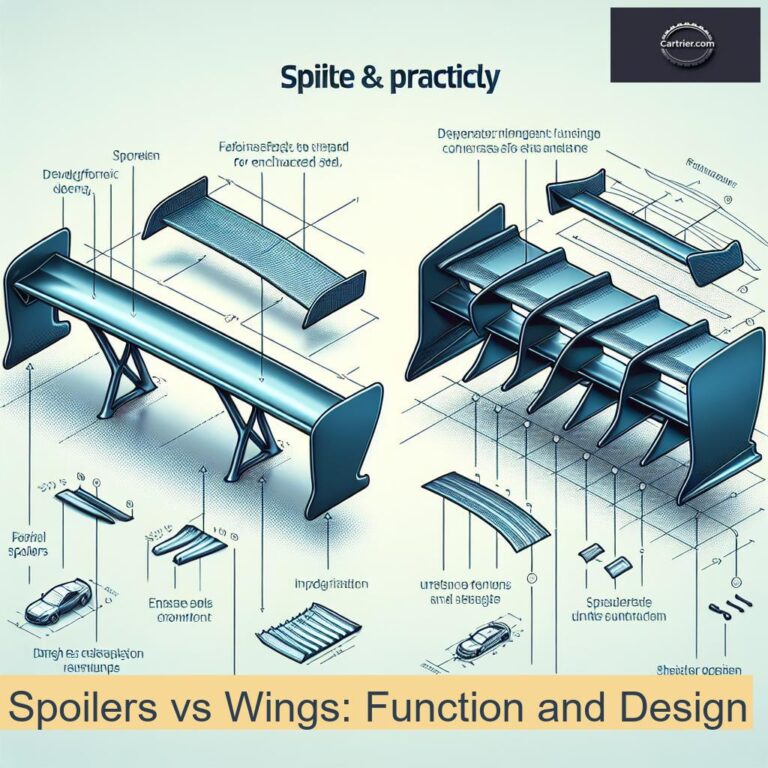
Understanding the differences between a spoiler and a wing is crucial for automotive enthusiasts and casual drivers alike. These components play distinct roles in enhancing a vehicle’s performance and aesthetics. The spoiler vs wing debate often focuses on their specific functions and designs, impacting vehicle aerodynamics significantly. This section delves into the unique characteristics of each component, providing insights on how they contribute to performance.
One of the primary distinctions lies in their design features. Spoilers tend to be integrated into a car’s body design effectively, both for improved aerodynamic efficiency and visual appeal. In contrast, wings are typically larger and more prominent, often mounted away from the car body, which can create a more aggressive appearance. While both serve to improve stability and traction, the difference between a spoiler and wing goes beyond aesthetics.
Functions and Designs
- Reduce lift at high speeds
- Improve traction on the road
- Enhance stability during turns
- Contribute to vehicle aesthetics
- Facilitate airflow management
- Support high-performance driving
- Modify the car’s center of gravity
When considering the wing vs spoiler function, it’s essential to understand how each component impacts car performance. Spoilers generally act to disrupt airflow, creating a downward force that helps keep the car stable, especially at high speeds. Conversely, car wings explained often include a design that generates significant downforce, enhancing grip and performance in racing scenarios. These functional aspects are critical for drivers looking to optimize their vehicle’s handling and responsiveness.
Design Features of Spoilers
Spoilers are designed to contour with the car’s body, providing a seamless integration that enhances its overall appearance. Typically made from lightweight materials, spoilers can be styled to complement the vehicle’s design while maintaining functionality. This integration helps achieve aerodynamic benefits without significantly increasing drag, making them ideal for everyday vehicles. The car spoiler vs wing choice often depends on the desired aesthetics and performance benefits for the driver.
Functional Aspects of Wings
Wings are engineered to create downforce, which is crucial for improving vehicle handling at high speeds. Their larger surface area and adjustable angles allow for significant aerodynamic advantages, particularly in competitive racing. This functionality empowers drivers to maintain better control and stability during sharp turns or quick accelerations. Understanding the spoiler vs wing benefits is vital when customizing a car for enhanced performance, especially in contexts demanding superior vehicle aerodynamics.
Choosing Between a Spoiler and a Wing
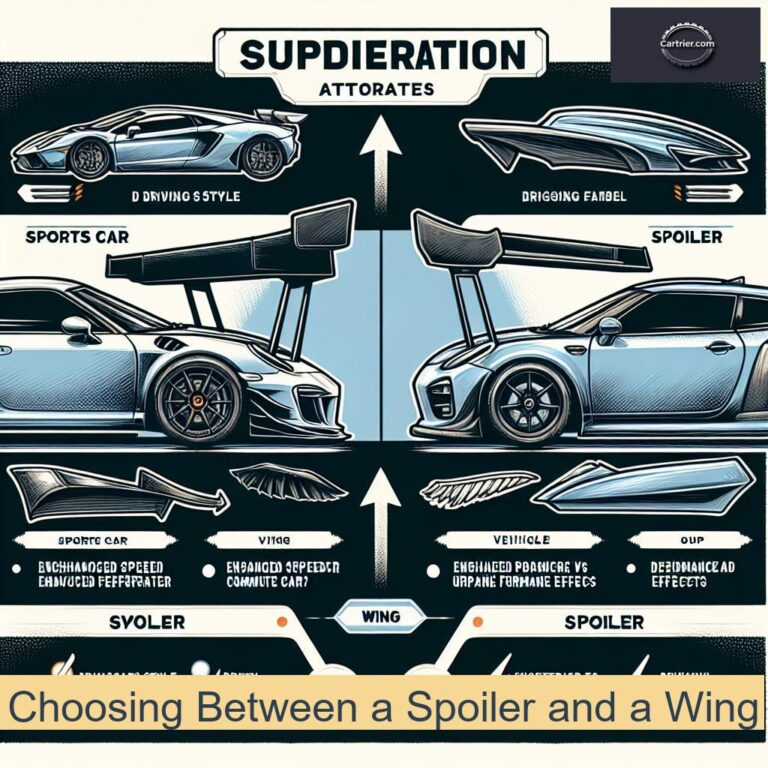
When it comes to enhancing car performance, understanding the spoiler vs wing debate is essential for car enthusiasts. Both components serve critical functions related to vehicle aerodynamics, but they are distinct in design and purpose. The primary difference between spoiler and wing lies in their shape, placement, and intended effect on a car’s stability at high speeds.
A car spoiler vs wing discussion typically centers on how each component interacts with airflow. Spoilers are designed to disrupt airflow to reduce lift, improving traction. In contrast, wings generate downforce, increasing grip on the road. This fundamental wing vs spoiler function differentiates the two components, providing unique advantages depending on the vehicle’s use and design objectives.
Considerations for Selection
- Type of vehicle: performance car or everyday driver
- Desired aerodynamic effect: downforce vs lift reduction
- Installation location: rear, front, or sides
- Material and weight for performance optimization
- Visual appeal and design compatibility with car body
- Cost and budget considerations
- Legal regulations in your area regarding modifications
Evaluating the spoiler vs wing benefits also involves understanding how each affects overall car dynamics. Spoilers can enhance stability during everyday driving conditions, making them a suitable choice for daily vehicles. Alternatively, wings might be preferable for racing applications where maximum downforce is required. Ultimately, your choice should align with intended driving styles and performance goals.
Tips for Installing Spoilers and Wings
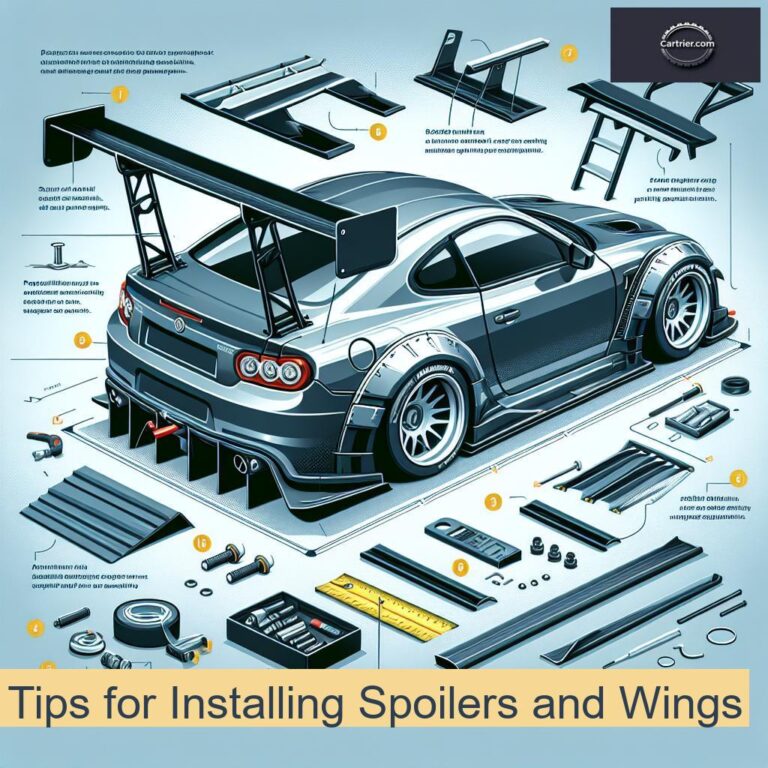
When considering enhancements for your vehicle, understanding the spoiler vs wing debate is crucial, especially when it comes to installation. The effective placement of either a spoiler or wing can significantly influence your car’s aerodynamic performance and aesthetic appeal. It’s important to follow the correct installation steps to ensure your modifications yield the desired benefits and maintain the integrity of your car body.
Before diving into the installation of car performance spoilers or wings, you should familiarize yourself with the key differences between these two aerodynamic car parts. The difference between spoiler and wing primarily lies in their design and purpose. Spoilers are typically designed to disrupt airflow over the vehicle, reducing lift and increasing traction, while wings generate downforce by promoting air pressure differences. Knowing the wing vs spoiler function is essential in not only achieving the best performance for your vehicle but also in ensuring that you install the right part effectively.
Installation Steps for Spoilers and Wings
- Gather Necessary Tools: Ensure you have the required tools and materials, including screws, adhesive, and an installation kit.
- Choose the Right Location: Identify the ideal spot for installation on your car body, according to the design of the spoiler or wing.
- Prepare the Surface: Clean the installation area thoroughly to remove dirt and old adhesive, ensuring a solid bond.
- Align the Spoiler or Wing: Position the part accurately and use masking tape for temporary holding during the final adjustments.
- Secure with Screws or Adhesive: Depending on your choice, fasten the spoiler or wing using either screws or a strong adhesive for optimal hold.
- Check for Alignment: Stand back and ensure that the installation is visually aligned and level with your vehicle.
- Test Drive: Finally, take your car for a test drive to evaluate the performance benefits of your newly installed part.
By following these straightforward steps, you can ensure a successful installation that enhances your vehicle’s performance and aerodynamics. Always choose high-quality parts and consider professional assistance if you’re unsure about the installation process. The right approach will not only protect your car body but also maximize the benefits from your investment in spoiler vs wing enhancements.